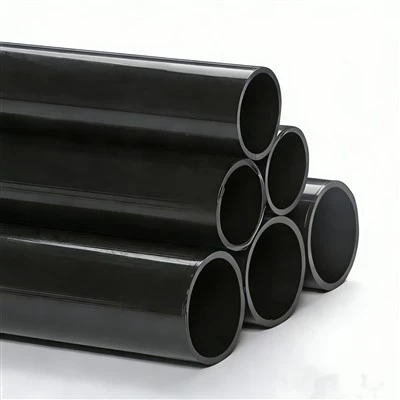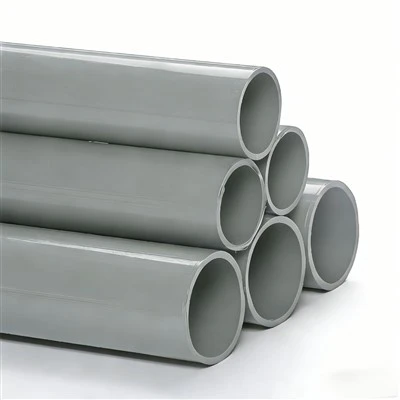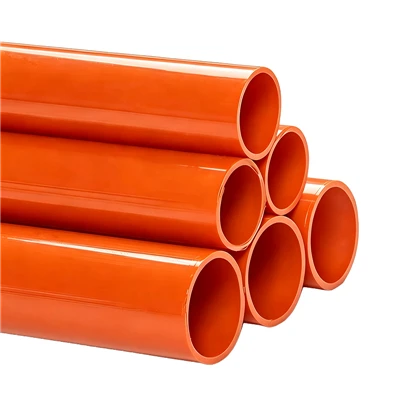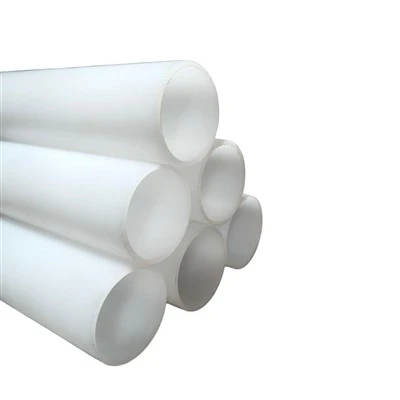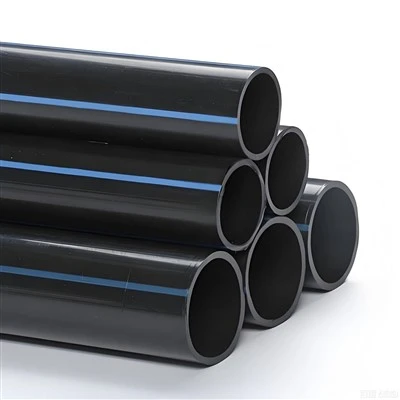
Industrial plastic-coated steel pipes are composite pipes made by applying a plastic coating to ordinary steel pipes. The coating materials typically include polyethylene and epoxy resin. This process combines the mechanical strength of metal materials with the corrosion resistance of plastic materials, allowing the pipeline to maintain structural integrity and extend its service life in various harsh environments.
The coating formation mechanism can be understood through interfacial interactions. The steel pipe surface undergoes pretreatment, such as sandblasting to remove rust, creating a clean surface with a certain degree of roughness. Plastic powder is then applied to the steel pipe surface via electrostatic spraying or dip coating. Heating melts the plastic, and the melt flows, wets, and penetrates the microscopic pits on the metal surface. After cooling and solidification, a coating interface combining mechanical interlocking and chemical adhesion is formed. This bonding method is stronger than simple physical covering and effectively resists coating peeling.
The protective function of the coating is manifested in both barrier and electrochemical protection. The plastic coating isolates the steel pipe substrate from the external environment, preventing moisture, oxygen, and corrosive media from directly contacting the metal surface. The plastic layer has extremely high electrical resistance, which can interrupt the path of corrosion current, making electrochemical corrosion difficult to occur. Even with minor localized damage to the coating, the small damaged area and extremely low corrosion current density can significantly slow down the corrosion process.
Different application environments place varying demands on coating performance, leading to the evolution of various specialized types. For example, steel pipes used for cable protection require coatings with excellent insulation and impact resistance to prevent cable damage and ensure electrical safety. Pipelines for fire protection systems require coatings that can withstand high-pressure water flow and potential instantaneous high temperatures. Plastic-coated steel pipes used in underground mining environments require coatings with additional consideration for abrasion resistance and resistance to rock crushing. Hebei Hengyuan Pipeline Anti-corrosion and Insulation Engineering Co., Ltd. offers a range of products, including cable protection steel pipes, fire-fighting plastic-coated steel pipes, and mining plastic-coated steel pipes, to suit these specific scenarios.
The selection and combination of raw materials directly determine the final performance of the product. Epoxy resin coatings, due to their excellent adhesion, chemical solvent resistance, and hardness, are often used in applications requiring extremely high corrosion resistance, such as chemical fluid transportation. Polyethylene coatings are known for their flexibility, abrasion resistance, and superior impact resistance, making them suitable for buried pipelines or environments susceptible to external impacts. There are also solutions combining different materials, such as steel pipes with an outer polyethylene coating and an inner epoxy coating, which balances external environmental protection with internal fluid compatibility; and structures with an outer three-layer polyethylene (3PE) coating and an inner epoxy coating, further enhancing long-term durability in harsh soil environments.
Precise control of the production process is crucial for ensuring uniform and reliable coating quality. Hot-dip plastic coating involves immersing preheated steel pipes in a fluidized bed of plastic powder, where the powder melts and adheres to the pipe wall, resulting in a uniform coating thickness and strong adhesion. Electrostatic spraying utilizes an electrostatic field to attract charged powder to the steel pipe surface, followed by heating and curing, making it more suitable for precise coating thickness control and coating complex components. Whether hot-dip plastic-coated or powder-coated, parameters such as pretreatment, heating temperature, and cooling rate must be strictly controlled.
The breadth of application for these types of pipes is closely linked to their reliable performance. In power engineering, cable protection steel pipes provide mechanical protection and insulation for cables. In gas transmission, specialized plastic-coated steel pipes effectively prevent gas corrosion and ensure safe transmission. In water supply and drainage systems, the smooth inner wall of plastic-coated steel pipes, whether for tap water or drainage, helps reduce fluid resistance, prevent scale buildup and microbial growth, and eliminates secondary pollution of water quality caused by pipe corrosion. The process of hot-dip galvanizing followed by internal plastic coating combines the sacrificial anode protection of zinc with the barrier effect of the plastic coating, providing double protection for the pipeline.
Therefore, the technological development of industrial plastic-coated steel pipes does not pursue a single "advanced" approach, but focuses on solving specific problems such as pipeline corrosion, wear, scaling, or media contamination in specific fields through targeted combinations of materials science and process technology. Its value lies in providing reliable, durable, and low-maintenance pipeline solutions for different industrial systems, and its technological evolution trajectory is always synchronized with the segmentation and deepening of practical application needs.