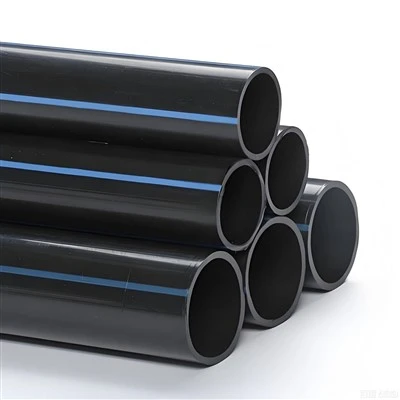
The core logic behind the application of electric heating tape in various plastic pipe applications lies in its adaptation strategy of "low temperature, low power, and enhanced thermal conductivity," taking advantage of the poor thermal conductivity and low temperature resistance of plastics. Whether it's civilian PPR water pipes, industrial PVC chemical pipes, or special composite pipes, the essence is to avoid the risk of overheating damage and achieve efficient freeze protection and temperature maintenance through precise selection and standardized installation.
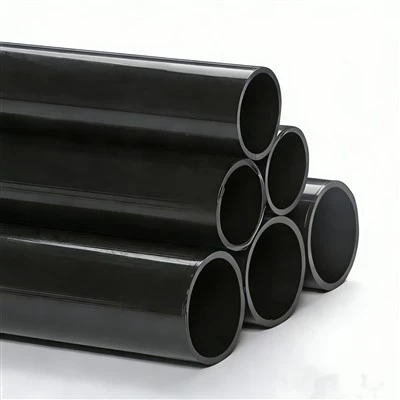
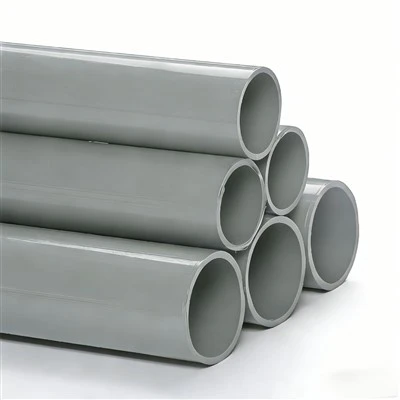
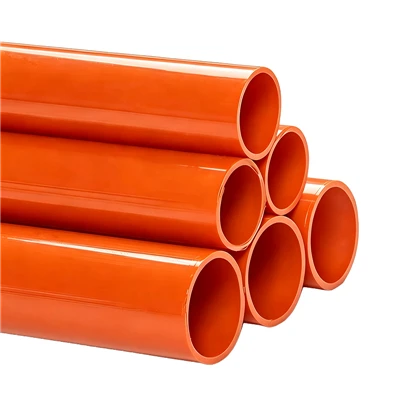
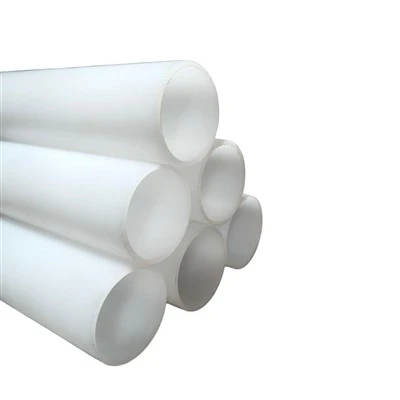
For common civilian and industrial plastic pipes (such as PPR, PVC, and PE), self-regulating heating tape is the primary recommendation. The core advantage of this type of product lies in its PTC positive temperature coefficient characteristic: when the temperature rises, its internal conductive material expands, resistance increases, and power automatically decreases, thus limiting the surface temperature within a safe range (usually not exceeding 70℃). This "intelligent" characteristic makes it particularly suitable for plastic pipes, because plastics have poor thermal conductivity and limited heat resistance, making them prone to softening or even deformation due to localized overheating.
To overcome the poor thermal conductivity of plastics, aluminum foil tape plays a crucial role in installation. During installation, aluminum foil tape should first be evenly applied to the pipe surface, then the heating cable should be attached to it, and finally, another layer of aluminum foil tape should be placed over the outside of the heating cable, forming a sandwich structure of "pipe-aluminum foil-heating cable-aluminum foil". This structure can effectively and quickly diffuse the heat generated by the heating cable to the entire pipe wall, compensating for the poor thermal conductivity of plastic and significantly improving heat transfer efficiency.
Regarding power selection, low-power-density self-regulating temperature products with a power density of 10-18W/m should be selected for plastic pipes. To avoid localized heat accumulation, the heating cable should be tightly attached to the pipe during installation, using a spiral winding or parallel laying method, and cross-overlay is strictly prohibited. The winding density can be appropriately increased at irregular locations such as valves and elbows, but excessive density should be avoided overall. In scenarios requiring higher reliability (such as long-distance underground burial or special media), a fiber-reinforced composite pipe structure with prefabricated electric heating tape has emerged. This structure integrates the heating tape directly into the pipe wall interlayer, combining heating with the pipe body. This solves the problem of inconsistent quality during on-site wrapping construction. However, its core heating and temperature control logic still relies on self-limiting temperature technology.
In multi-scenario applications, temperature monitoring is an effective supplementary means of ensuring safety. Installing thermocouple sensors on the plastic pipe body allows for real-time sensing of the pipe wall temperature and linkage with the electric heating system, achieving closed-loop control of "activating heating or alarm upon temperature abnormality." This measure adds another layer of protection to the heating safety of plastic pipes.
In conclusion, the application of electric heating tape in plastic pipes is a precise adaptation centered around "controlling the upper temperature limit" and "enhancing heat conduction." Self-limiting temperature technology limits temperature at the source, aluminum foil tape enhances heat conduction, and low power density prevents overload. These three elements together constitute a complete strategy for heat tracing plastic pipes, enabling them to safely and efficiently serve the diverse needs of everything from household water pipes to industrial pipelines.