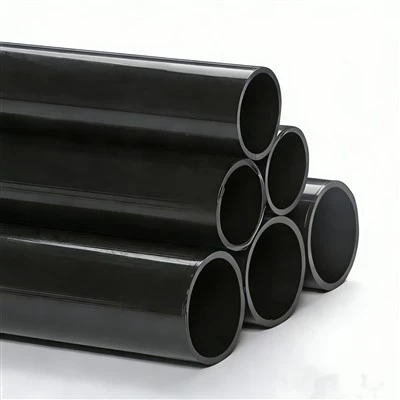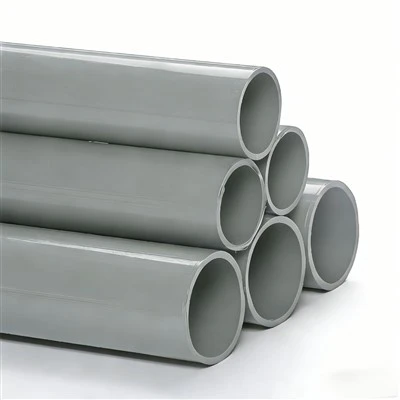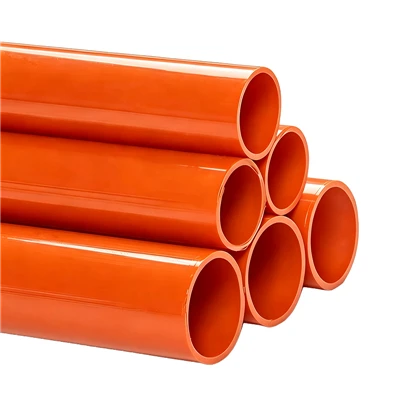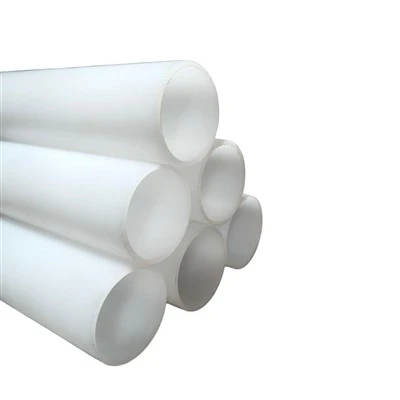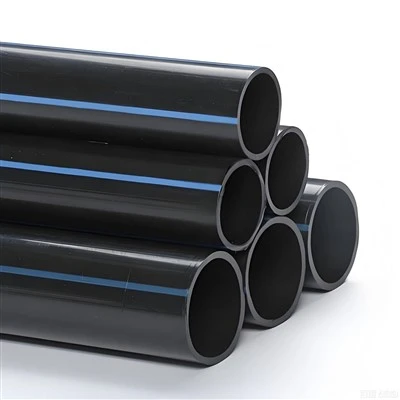
Common Plastic Materials for Industrial Water Pipes The selection of materials for industrial water pipes requires consideration of various factors, such as corrosion resistance, high-temperature resistance, and pressure resistance. Under the premise of meeting these conditions, plastic materials are widely used due to their ease of processing, durability, and corrosion resistance. Common plastic materials for industrial water pipes include:
PVC Pipes: PVC pipes are widely used in industrial water pipes and building drainage pipes. The advantages of PVC material are corrosion resistance, high-temperature resistance, resistance to aging, and ease of processing. However, PVC is often not the first choice for piping systems dealing with high pressure and high temperature.
PPR Pipes: PPR pipes are widely used in chemical, petroleum, pharmaceutical, and environmental protection fields. Compared to PVC pipes, PPR pipes have better high-temperature resistance and pressure resistance, making them suitable for high-pressure, high-temperature industrial applications. In addition, PPR pipes have better impact resistance and plasticity, and are easier to install and splice.
PE Pipes: PE pipes are a type of high-density polyethylene pipe, widely used in industrial, agricultural, and municipal fields. PE pipes have good pressure resistance and corrosion resistance, and are lightweight and easy to install. However, PE pipes generally have poor high-temperature resistance and are not suitable for transporting high-temperature media.
Advantages and Disadvantages of Different Plastic Materials Comparing different plastic materials reveals their respective advantages and disadvantages. PVC pipes are easy to process and resistant to aging, but their pressure-bearing capacity is limited under harsh conditions such as high temperature and high pressure, thus restricting their application. PPR pipes are superior to PVC in performance, but as a relatively new material, they are gradually being accepted and applied. PE pipes are lightweight and have good corrosion resistance, but they have limitations in transporting high-temperature media. In summary, industrial water pipes require the selection of appropriate materials based on specific circumstances.
The selection of materials for industrial water pipes needs to consider multiple factors. Plastic materials are widely used in the industrial field due to their ease of processing, durability, and corrosion resistance. When selecting materials, it is necessary to comprehensively consider factors such as corrosion resistance, high-temperature resistance, and pressure resistance to choose the appropriate pipe material.